



 " alt="">
C-section Negligence Claims

Reviewed by
Peter Rigby - Managing Director of Medical Negligence | Last updated on: 7th March, 2025
We've got your C-section negligence claim covered
- No win No fee
- Not just lawyers - real specialists
- No obligation
- UK's highest-rated medical negligence solicitors
C-sections are generally considered safe procedures that ensure the health and safety of both mother and child during delivery. However, when medical professionals fail to meet the expected standard of care, serious complications can arise, potentially causing devastating consequences for both the mother and child.
If you or a loved one has suffered harm due to medical negligence during cesarean delivery, it’s essential to understand your rights and the potential for legal recourse.
What is C-section negligence?
C-section (or cesarean section) negligence refers to the failure of medical professionals to uphold the expected standard of care during or after a cesarean delivery leading to avoidable injuries or complications for both mother and/or baby.
Find out if you
have a claim
Take the 10-second claim test
Free Advice
03300 080 352
claim form
We're the highest-rated No Win No Fee medical negligence solicitors on Trustpilot
Common causes of C-section negligence?
While this is not an exhaustive list, here are some common situations where you may have a c-section negligence claim:
- Delay deciding to perform a C-section when necessary, or not performing one entirely and this results in injury to mother and/or baby.
- Infection post C-section that medical staff fail to treat promptly or adequately.
- Insufficient or ineffective stitching post C-section, resulting in scarring or infection.
- Critical surgical errors during C-section surgery, resulting in injury to the baby or mother.
- Doctors incorrectly identify the baby’s size during pregnancy and so fail to take the necessary provisions ahead of the birth.
- ‘Cut’ or injured bladder.
- Retained placenta (when some or all of the placenta remains in the uterus after giving birth).
Bladder injury during C-section
Although rare, bladder injuries are one of the more common complications arising from surgical error during a C-section. The bladder is located near the uterus and surgical manoeuvring during a C-section can sometimes lead to accidental injury.
How bladder injuries occur during C-sections
During a C-section, the surgeon must move the bladder to access the uterus. If the bladder is not handled properly, it may sustain an injury. Any damage should be identified and repaired during surgery and if this doesn’t happen, you may have grounds for a C-section negligence claim.
Risk factors for bladder injury during cesarean section
During a C-section, an incision is made in the mother’s lower stomach, just above the bladder. If not handled correctly and a cut is made mistakenly through the bladder, the baby may end up being delivered through the bladder.
Symptoms and signs of bladder injury after a C-section
Bladder injuries following a c-section vary in severity. Some common symptoms include:
- Abdominal or pelvic pain that persists beyond the expected recovery period.
- Difficulty urinating or a frequent and urgent need to urinate.
- Haematuria or the blood in the urine.
- Urinary Tract Infections (UTIs).
- Swelling in the lower abdomen as a result of fluid accumulating from bladder injury.
How to identify bladder injuries early
Early detection is key to preventing further complications. Doctors may use imaging tests such as ultrasounds or CT scans to confirm bladder injuries after a C-section.
How common are bladder injuries during cesarean section?
Bladder injuries are relatively rare, but they still occur in a small percentage of C-sections. The incidence is estimated at around 0.2% to 0.6% of C-sections, though the risk is higher in complex cases or after multiple cesarean deliveries.
(Source: NHS)
Bowel injury after C-section: what you need to know
Although rare, bowel problems can occur after a C-section.
Causes of bowel injuries during C-sections
Bowel injuries may result from accidental cuts to the bowel or adhesions (scar tissue) that form post-surgery which can lead to long-term bowel obstructions.
How bowel injuries are diagnosed and treated
Bowel injuries are often detected based on symptoms, including severe abdominal pain, nausea and vomiting, bloating and distension, changes in bowel habits, fever and signs of infection.
Treatment typically involves surgical repair of the bowel or, in severe cases, sections of the bowel may need to be removed or rerouted. Infections caused by bowel injury require immediate treatment with antibiotics.
Impact of these injuries on long-term health
Both bladder and bowel injuries can lead to long-term health issues, including:
- Chronic pain: Ongoing pain in the pelvic or abdominal area can result from these injuries leading to long-term discomfort.
- Urinary or digestive dysfunction: Injuries to the bladder or bowel can lead to incontinence, urinary retention, bowel obstruction or difficulty with digestion.
- Emotional distress: The physical complications of these injuries can lead to emotional distress including depression or anxiety, especially in cases where the injuries are severe or permanent.
Medical negligence in C-Section: legal rights and claims
When C-section injuries occur due to medical negligence, those affected have the right to pursue compensation through a negligence claim. This can cover medical expenses, lost wages, pain and suffering and the costs associated with long-term care.
When negligence leads to compensation claims
A successful negligence claim requires proving that the medical professionals failed to meet the accepted standard of care. This often involves showing that the injury was not a risk inherent to the procedure but rather was caused by medical errors, such as improper technique or a failure to act promptly.
Key symptoms to look out for after a C-section
It’s important to monitor the following symptoms after a C-section, as they could indicate complications like bladder or bowel injury.
- Persistent abdominal pain or swelling.
- Difficulty urinating or passing stool.
- Fever or chills, signs of infection.
- Blood in the urine or stool.
Internal or external infections are also at risk of developing after a C-section. Healthcare professionals should monitor the mother for signs of external infection, such as scar tenderness, or internal infection, indicated by symptoms like foul odour, redness, or pain, and take prompt action when necessary.
Though infections are a potential risk in any surgical procedure, infections resulting from negligent care or mishandling can be considered examples of negligence.
If medical professionals cause an infection by neglecting proper hygiene protocols during surgery, using improper stitching or failing to diagnose the infection correctly, this is considered C-section negligence.
Fetal injury at cesarean delivery
Fetal injuries are rare complicating 1.1% of C-sections. These injuries may result from the surgical procedure itself or complications that arise during delivery.
Causes of fetal injury during C-sections
Fetal injuries can occur for many reasons, such as:
- Forceps use: when used improperly, forceps can cause physical harm to the baby.
- Accidental cuts: the baby may be accidentally cut by surgical tools during the C-section.
- Prolonged labour or fetal distress: delayed or complicated deliveries can increase the risk of injury to the baby.
Legal options for parents when fetal injury occurs
If a fetus is injured due to medical negligence, parents have the right to take legal action to seek compensation. This compensation may cover the child’s long-term care needs if they suffer permanent injuries as a result of the delivery, and these needs will be considered when determining the compensation amount.
C-section forceps use and associated risks
Forceps are sometimes used to assist with the delivery during a C-section, but improper use can result in serious injuries to both the mother and the baby.
The role of forceps during C-section deliveries
Forceps are medical instruments that help guide the baby out of the birth canal during a difficult delivery. They’re often necessary when the incision is too small to deliver the baby’s head. Though forceps can assist in certain situations, incorrect usage can lead to complications for both the mother and baby.
How forceps usage can lead to fetal injuries
Improper use of forceps can cause injuries to the baby such as facial lacerations, nerve damage or brain injury if the forceps are used improperly.
Step-by-step guide to filing a C-section injury compensation claim
To file a compensation claim for C-section injury compensation claim, follow these steps:
- Seek medical attention: ensure all injuries are treated and documented.
- Consult a lawyer: contact a lawyer specialising in medical negligence to assess the validity of your claim.
- Gather evidence: collect medical records, witness statements and any other relevant documents to support your claim.
- File the claim: submit the necessary paperwork to begin the legal process.
Patient Claim Line is a team of medical negligence experts who are here to guide you through the legal processes. If you or your baby have suffered injury from the negligent management of medical professionals during your C-section, our solicitors are here to help. To find out if you have a claim, contact us today.
How to document and report medical negligence
Documenting and reporting medical negligence is crucial for building a strong case. Be sure to:
- Keep detailed records of all medical treatments, surgeries, and consultations.
- Take photographs of any visible injuries.
- Gather witness statements from anyone who witnessed the procedure or its aftermath.
Legal assistance for C-section injury claims: finding the right lawyer
If you or your baby has suffered due to medical negligence during a C-section, you may be entitled to compensation for medical expenses, pain and suffering, and lost wages.
Why Choose Patient Claim Line for your C-section negligence claim?
At Patient Claim Line we have more than 100 solicitors with a combined experience of over 400 years. We specialise in C-section compensation claims, ensuring our clients receive the justice and financial support they deserve. Our expert team will work tirelessly on your behalf to secure the best possible settlement for your case.
It’s not enough to use a solicitor who sometimes covers medical negligence. You need solicitors who know medical negligence through and through. We deal exclusively in medical negligence cases and are experts in the field.
We believe that anyone who has suffered from medical negligence deserves justice. That’s why we operate on a ‘NO WIN NO FEE’ basis to prevent financial burdens on those who have suffered so that you can focus on recovery.
CONTACT US TODAY TO FIND OUT HOW WE CAN GUIDE YOU THROUGH THE LEGAL PROCESS.
Meet our C-section negligence team
Case Study
Gordon's Story
"It was an experience that I never thought I’d have to go through"
Gordon first reported a blockage in 2011, but this wasn’t fully investigated. This delay in medical care meant that he needed an amputation of his lower leg, which impacted his mobility and independence.
The team at Patient Claim Line determined that Gordon lost his leg because medical professionals didn’t operate soon enough. Our team fought to ensure Gordon received justice, and they were able to secure him compensation for his suffering.

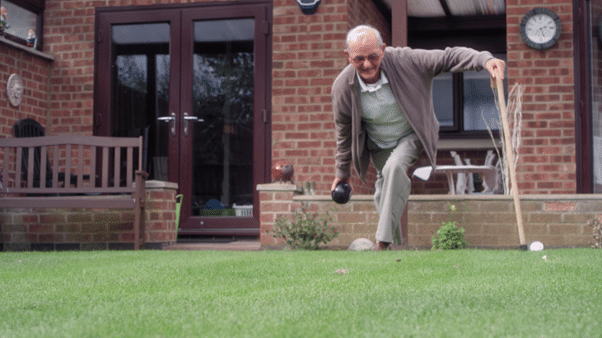
The financial settlement enabled him to purchase a more suitable prosthetic leg, as he found the NHS prosthesis uncomfortable. Gordon now finds playing his beloved bowls much easier, and his team were recently promoted to a higher league.